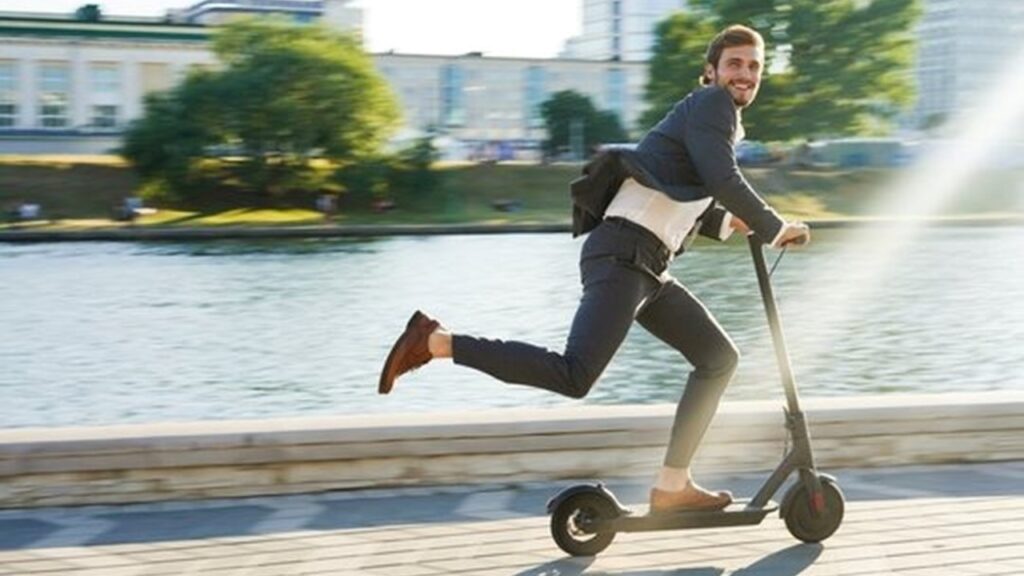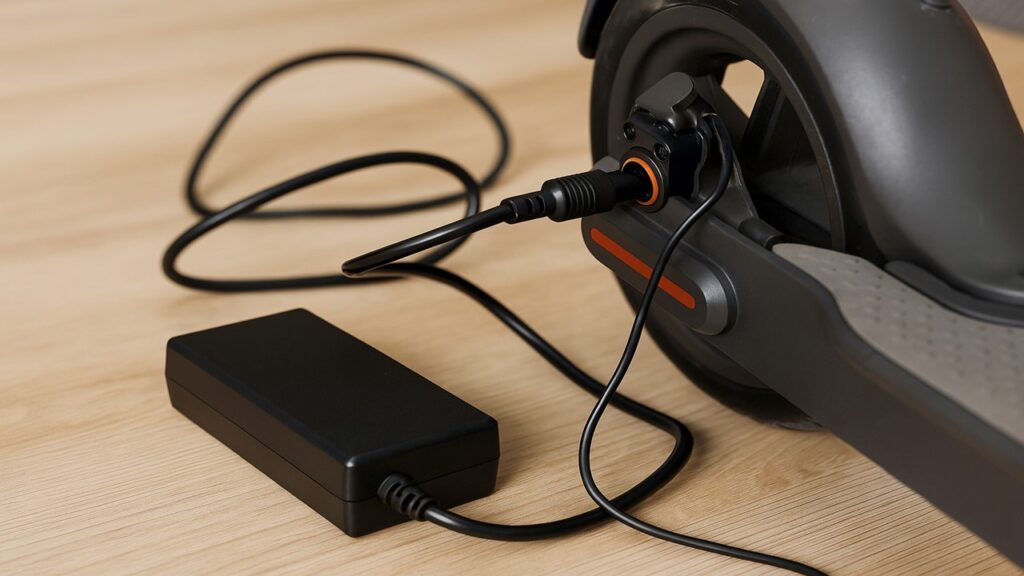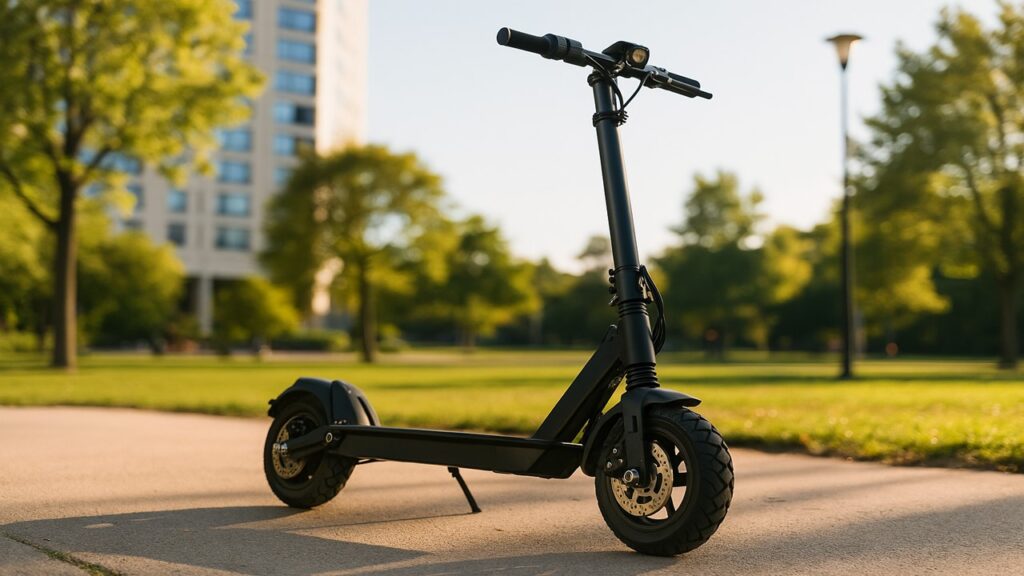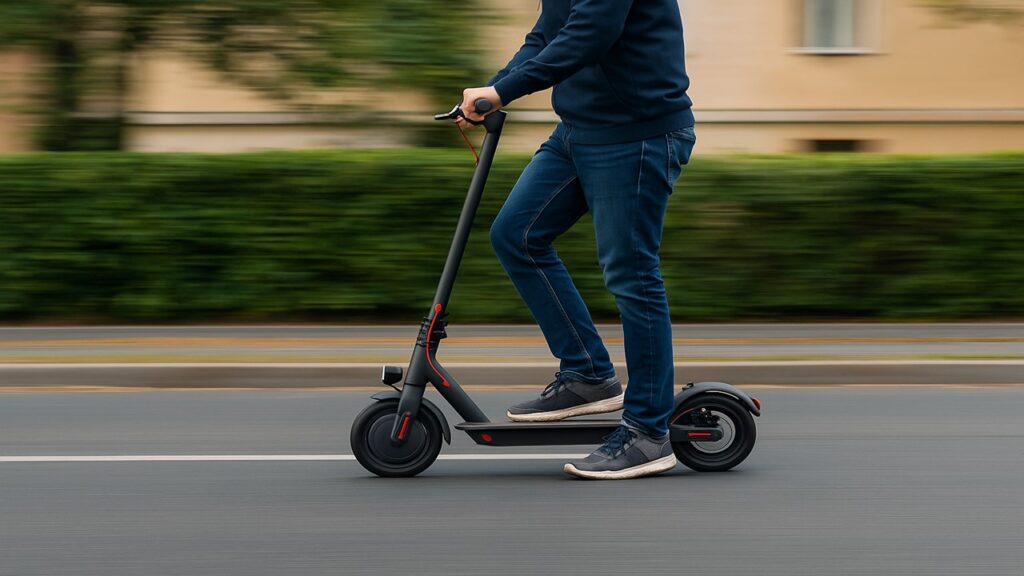
Yes, electric scooters are street legal in many parts of the world, but the rules depend heavily on where you live. In most regions, they’re treated like bicycles or low-speed motorized vehicles, meaning you can ride them on public roads if they meet certain safety and performance requirements. However, some cities still restrict them to bike lanes or pilot programs, especially when it comes to privately owned scooters.
Key Summary:
- Electric scooter legality depends on regional rules that define where and how scooters can be used on public roads.
- Most areas allow scooters that meet safety standards such as lights, brakes, and speed limits under 25 miles per hour.
- Riders may need helmets, registration, or insurance depending on local transportation laws and power ratings.
- Understanding and following your city’s scooter regulations helps ensure safe, lawful, and hassle-free riding.
What Makes an Electric Scooter Street Legal?
An electric scooter becomes street legal when it meets the minimum safety, visibility, and performance standards defined by local transport authorities. These usually include a functioning headlight and taillight, reflectors, a bell or horn, and reliable front and rear brakes. Many regions also require that scooters have a maximum speed limit—often capped at 15 to 25 miles per hour—and that the motor power stays within regulated limits, typically under 750 watts.
To qualify for road use, the scooter must also be stable and visible enough for mixed traffic environments. Some jurisdictions go further, asking for mirrors, turn signals, or even registration plates. Riders are generally expected to follow the same traffic laws as cyclists, including signaling turns and yielding to pedestrians. If a scooter lacks these safety features or exceeds local speed thresholds, it may be restricted to private property or off-road paths rather than public streets.
Electric Scooter Laws by Country and Region
Electric scooter regulations vary across countries, but most share the same goal: to balance convenience with safety. Here’s a quick overview of how major regions handle street legality:
- Speed limits range from 15 km/h in dense cities to 25 km/h on suburban roads.
- Helmet rules apply mostly to younger riders or high-speed models.
- Registration requirements differ by power class or motor output.
- Sidewalk bans are common, while bike lanes and slow roads are typically permitted.
Let’s take a closer look at how these laws apply region by region.
United States
In the U.S., electric scooters are regulated at the state level, with broad support for their use on public streets. The federal government classifies most e-scooters as personal mobility devices rather than motor vehicles, but states set the fine details.
California allows scooters on roads up to 25 mph, requiring helmets for riders under 18. Texas permits scooters under 750 watts without a license or registration, while New York legalized them in 2020 with a top speed of 20 mph. Other states, like Florida and Washington, have added local speed caps and bike-lane-only rules to improve safety. Overall, most U.S. states welcome e-scooters as long as they follow bicycle-style regulations and maintain road visibility standards.
United Kingdom
Private electric scooters remain illegal on public roads in the U.K. as of 2025. The government allows only approved rental scooters in pilot zones across select cities like London and Birmingham. These rental scooters must meet speed, lighting, and insurance requirements and are geofenced to prevent illegal road use. Lawmakers continue to debate broader legalization, but for now, private ownership on public streets remains restricted.
Europe
European countries generally have well-defined e-scooter regulations that encourage responsible road use.
- Germany requires an insurance plate, limits speeds to 20 km/h, and mandates front and rear lights.
- France allows scooters on roads under 50 km/h with lights and brakes but no license requirement.
- Spain bans scooters on sidewalks, but allows them on bike lanes and roads with lighting and reflectors.
These laws emphasize visibility, safety gear, and age limits rather than licensing or registration.
Canada
In Canada, scooter laws are set by provinces and municipalities. Ontario has led the way with a five-year pilot program allowing e-scooters up to 32 km/h on most roads and bike lanes, provided they have lights and a bell. Alberta and British Columbia follow similar models, while Quebec requires helmets for all riders. Each city may apply its own bylaws, so checking local transport authority websites before riding is essential.
Asia
Asia presents a mixed picture of scooter legality.
- India allows low-speed electric scooters (under 25 km/h) without registration or insurance.
- Japan legalized e-scooters in 2023, limiting them to 20 km/h and requiring lights and a license for older riders.
- Singapore enforces strict rules, banning scooters from roads but allowing them on cycling and shared paths, with heavy fines for violations.
The trend in Asia leans toward cautious integration, emphasizing rider education and controlled operation zones.
U.S. State-by-State Electric Scooter Laws
Electric scooter laws in the U.S. vary dramatically, often changing city by city. Some states classify scooters under bicycle regulations, while others treat them as low-powered motor vehicles requiring registration or insurance. In general, scooters are street legal if they operate under 25 mph, have headlights and brakes, and stay off sidewalks or highways. Helmets are mandatory in a few states and recommended everywhere for safety.
To illustrate, California allows road use on streets up to 25 mph with proper lighting, while New York and Texas impose motor and speed caps without license requirements. Florida permits sidewalk riding but with clear local restrictions. This patchwork of laws makes it vital for riders to check state DMV pages or municipal transport websites before hitting the road. As cities continue expanding bike lane networks, electric scooter use is becoming more accepted and regulated under existing traffic safety frameworks.
Popular Electric Scooters That Are Street Legal
Some electric scooters are designed to meet or exceed the requirements for public road use, making them great options for commuters who want legal peace of mind. Models like the Segway Ninebot MAX G2 come with built-in headlights, reflectors, and UL-certified batteries, while the NIU KQi3 Pro adds turn signals and regenerative brakes for safer traffic performance. Both models stay under 25 mph and meet U.S. and EU speed compliance standards.
Other strong contenders include the GoTrax G4, which features dual brakes and a horn, and the Apollo City Pro, known for its high visibility lighting and stable frame. These scooters are generally compliant in most U.S. states and parts of Europe, provided the rider follows local traffic laws. When buying a scooter, checking for certifications like UL2272 and DOT lighting compliance ensures it’s not only safe but also road-ready. Understanding what to look for when buying an electric scooter—such as build quality, braking system, lighting, and compliance labels—can help you choose a model that’s both reliable and legally approved for street use.
License, Registration, and Insurance Requirements
Licensing and registration rules for electric scooters depend on their power, speed, and where they are ridden. Most low-speed scooters—those with motors under 750 watts and a top speed below 25 miles per hour—are treated like bicycles and do not require a driver’s license or registration in many U.S. states. However, higher-powered models or scooters designed for commuting on main roads may fall under motor vehicle regulations, which means riders might need a valid license and a small registration fee.
Insurance is another area that varies by jurisdiction. Some European countries, like Germany and France, require third-party liability insurance for all electric scooters used on public roads, while most U.S. states do not. Regardless of legal requirements, having personal liability coverage can protect you in case of accidents or property damage. Before riding, it’s always wise to check your local Department of Motor Vehicles (DMV) or transport authority website for clear guidance on licensing, registration, and insurance policies specific to your area.
Street-Legal Scooter Compliance Checklist
Before taking your scooter on public roads, ensure it meets these key requirements:
- Front and rear lights for visibility during day and night.
- Reflectors on the sides or rear for extra safety.
- Dual braking system that can stop effectively on wet and dry surfaces.
- Bell or horn to alert pedestrians and other vehicles.
- Speed limitation that complies with local regulations (usually 15–25 mph).
- Helmet that meets safety standards if required by law.
- Registration or plate if your state or country mandates it.
Meeting these points keeps your scooter compliant and significantly reduces the risk of fines or accidents.
Equipment and Safety Rules You Must Follow
To legally operate an electric scooter on public streets, riders must follow local equipment and safety standards. These rules ensure that scooters are visible, predictable, and safe in mixed traffic conditions.
- Lighting requirements: Most laws mandate a white headlight and red taillight for night riding.
- Reflectors: Must be mounted on the sides and rear for added visibility in low light.
- Brakes: Scooters need both front and rear braking systems capable of a quick, safe stop.
- Horn or bell: A working alert system is necessary to signal pedestrians or vehicles.
- Helmet use: Riders under a certain age (often under 18) are typically required to wear helmets.
- Turn signals or hand signals: Some areas require scooters with higher speeds to have electronic turn indicators or use hand signals like cyclists.
Following these safety standards not only makes your scooter street legal but also helps prevent collisions and increases rider confidence in traffic.
Fines and Penalties for Illegal Street Riding
Riding a non-compliant scooter on public roads can lead to fines, impoundment, or even legal penalties. In the U.S., most cities issue citations ranging from $50 to $300 for violations such as riding without lights, using sidewalks illegally, or operating an unregistered scooter. In some European countries, penalties can include higher fines and license points if the scooter is considered a motor vehicle under local law. Many riders also wonder, is it legal to ride an electric scooter on the sidewalk—and in most cities, the answer is no, as sidewalks are reserved for pedestrians and using them with motorized scooters can result in fines or confiscation.
Authorities also take safety violations seriously. Riders caught speeding or ignoring helmet laws may face additional charges or insurance penalties. In many regions, repeat offenses can result in the scooter being confiscated or the rider losing their right to operate it in public areas. Understanding local traffic laws and complying with all safety standards helps you avoid these consequences while riding responsibly.
How to Make Your Electric Scooter Street Legal
If your scooter isn’t street legal yet, you can often make it compliant with a few upgrades and adjustments.
- Install front and rear lights to improve visibility during both day and night.
- Add reflectors and brake lights to meet local safety standards.
- Attach a bell or horn to warn pedestrians and other riders.
- Check speed limits by adjusting settings or using a limiter if your scooter exceeds local thresholds.
- Apply for registration or insurance if your local laws require them.
- Use proper safety gear such as helmets, gloves, and reflective clothing.
These simple changes can transform your scooter into a road-ready, legally compliant ride. Before modifying or registering, always confirm your region’s current rules since requirements can differ by city or state.
Tips for Riding Street-Legal Electric Scooters Safely
Riding a street-legal electric scooter safely isn’t just about following the law—it’s about protecting yourself and others on the road. Here are the most important habits every rider should adopt:
- Wear proper safety gear including a certified helmet, gloves, and reflective clothing. This reduces injury risk and improves visibility in traffic.
- Obey local traffic rules and always ride in the direction of traffic. Avoid weaving between cars or using sidewalks unless specifically allowed.
- Use lights and signals to stay visible, especially at night or during low visibility. Turn on headlights, brake lights, and use hand signals where required.
- Avoid distractions like phones or headphones. Staying alert helps you react quickly to vehicles and pedestrians.
- Check your scooter before every ride—inspect the brakes, tires, and battery. Regular maintenance ensures your scooter performs safely and legally.
- Slow down in crowded areas and yield to pedestrians. Riding courteously helps reduce accidents and promotes better scooter acceptance in cities.
By combining defensive riding techniques with awareness of local laws, you can enjoy smooth and safe rides without attracting unwanted attention from traffic authorities.
Final Words
Electric scooters have opened up a cleaner, more efficient way to travel short distances—but their street legality depends on where you live and how your scooter is equipped. Most regions now allow scooters that meet essential safety and visibility standards, such as proper lighting, limited top speeds, and functioning brakes. Before heading out, always verify local regulations to ensure compliance.
Riding responsibly means more than just meeting legal requirements—it’s about contributing to safer, greener streets. With the right setup and awareness, electric scooters can remain both convenient and fully roadworthy for years to come.
FAQs
Are electric scooters legal on highways?
No. Most electric scooters are restricted to city streets, bike lanes, or shared paths with speed limits under 25 miles per hour.
Do I need a license to ride a street-legal scooter?
In most regions, scooters under 750 watts or 25 mph do not require a license. However, faster or more powerful models may need registration and a valid license.
Can I ride my electric scooter on the sidewalk?
Sidewalk riding is prohibited in most cities because it poses a safety risk to pedestrians. Always check local signage or rules before doing so.
What should I do if my scooter isn’t street legal?
You can often make it compliant by adding lights, reflectors, and a horn, or by adjusting its speed limit to meet legal requirements.
Are rental scooters always street legal?
Yes. Rental fleets must comply with local transport regulations, meaning they’re pre-approved for legal road use in their service areas.

Max Volt is an electric scooter and e-bike enthusiast who rides daily and knows the nuts and bolts of every model. With years of hands-on repair experience and real-world testing, Max shares practical reviews, maintenance tips, and buyer guides to help riders choose the right gear with confidence. His mission is to make electric commuting safer, smarter, and more enjoyable for everyone.