If your electric scooter has reached the end of its life, you can’t just throw it in the trash. The safe way to dispose of an electric scooter is to remove the lithium-ion battery, handle it as e-waste, and take the scooter to an authorized recycling or take-back program. This ensures both safety and environmental protection.
Key Summary:
- Electric scooters must be treated as electronic waste, with batteries removed and handled through certified recycling or take-back programs.
- Proper battery removal prevents fire risks and chemical leaks that can harm the environment and human health.
- Recycling or donating working scooters extends their lifespan and reduces the overall amount of e-waste generated.
- Following local e-waste laws and using approved facilities ensures safe disposal, resource recovery, and compliance with environmental regulations.
Understanding Electric Scooter Disposal
Electric scooters are classified as electronic waste because they contain lithium-ion batteries and electronic components that can harm the environment if discarded improperly. These batteries are powerful, but when damaged or punctured, they can release toxic chemicals or even catch fire.
Inside every e-scooter are recyclable materials like aluminum, steel, rubber, and plastic — all of which can be reused when processed at the right facilities. By recycling or donating your scooter, you not only reduce landfill waste but also recover valuable materials for future manufacturing.
Short summary:
Improper disposal of e-scooters can lead to soil and water contamination from leaking chemicals, increase the risk of fires from lithium cells, and violate environmental protection laws. That’s why dumping electric scooters in household trash is illegal in most regions.
Why Proper E-Scooter Disposal Matters
Disposing of your electric scooter correctly protects both you and the planet. Lithium-ion batteries can ignite when exposed to heat, water, or pressure, and they also contain materials that can pollute soil and groundwater.
Key reasons why proper disposal matters:
- Fire prevention: Damaged or overheated batteries can cause fires during transport or in landfills.
- Pollution control: Heavy metals like cobalt and nickel can leak into the environment.
- Legal compliance: Many regions now classify e-scooters as e-waste, making improper dumping punishable by fines.
- Resource recovery: Recycling facilities can extract valuable metals for reuse, reducing the demand for new mining.
Environmental protection agencies around the world, such as the U.S. EPA, the European WEEE Directive, and Australia’s NSW EPA, have strict regulations to ensure e-scooter batteries are handled safely and sustainably.
How to Dispose of an Electric Scooter the Right Way
The correct disposal process is simple once you know where to start. The main goal is to remove the battery, separate recyclable parts, and hand them over to an approved recycling or take-back program.
Steps to follow:
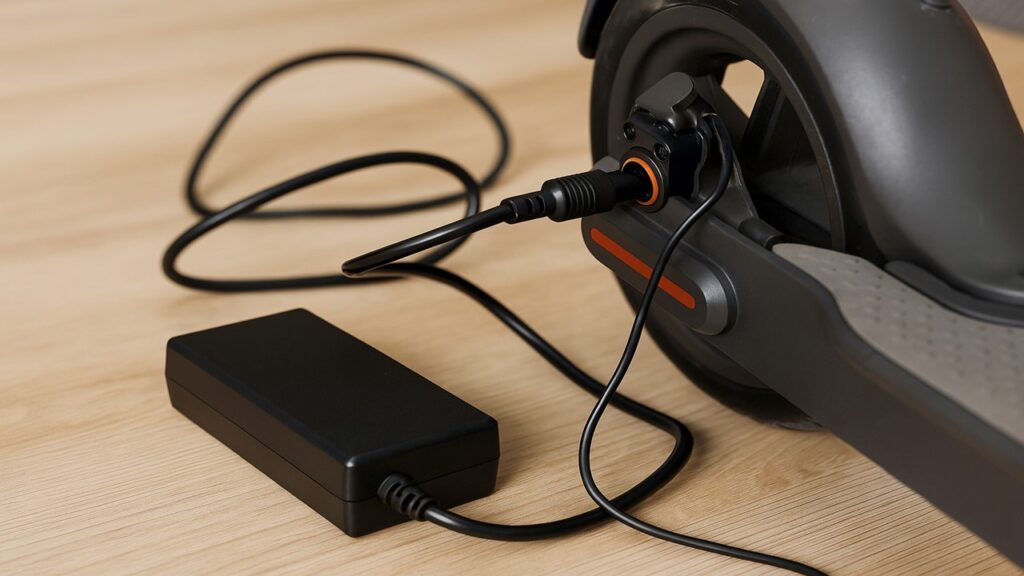
- Unplug and power off the scooter before handling any components.
- Remove the battery carefully, using insulated tools if needed.
- Do not crush, puncture, or expose the battery to water.
- Find a certified e-waste facility, brand take-back program, or local recycling event.
- Transport the scooter and battery safely in non-metal containers.
Once you’ve prepared your scooter, follow the detailed steps below for each part of the process.
Step 1 — Remove the Battery Safely
Always begin by disconnecting the battery. For scooters with detachable batteries, remove them carefully following the manufacturer’s instructions. Use gloves and insulated tools to prevent short circuits, and tape the terminals with non-conductive tape. If your scooter has an integrated battery, it’s safer to visit an authorized service center for assistance.
Never dispose of a damaged or swollen battery in household bins. Place it in a clear plastic bag and take it to a hazardous waste facility. These centers can neutralize and recycle the materials without causing harm.
Step 2 — Choose a Proper Disposal or Recycling Option
Once the battery is removed, decide where to take your scooter. Many local recycling programs accept e-scooters as part of their e-waste collection. Some scooter brands, like Segway, Bird, and Razor, have take-back programs that ensure parts are properly recycled.
You can also check with your city’s waste management authority for drop-off locations. Never leave the scooter at scrap yards or landfill sites that don’t handle e-waste, as this can cause contamination and legal penalties.
Step 3 — Transport Safely
If you’re delivering the scooter or battery to a recycling center, use a non-metal container or sturdy plastic box for transport. Avoid leaving the battery in direct sunlight or hot environments, and make sure it cannot shift or roll during the trip. Proper labeling (for example, “Used Lithium-Ion Battery”) can help staff identify it safely when you arrive.
Quick Disposal Methods Table
If you’re unsure which option suits your situation, the table below summarizes the main disposal methods and when to use them.
Before you begin, always remove the battery and check your local recycling laws. Even if your scooter no longer works, its components can still be recycled or reused.
| Method | When to Use It | How It Works | Result |
| E-Waste Recycling | For damaged or dead scooters | Remove the battery, take it to an authorized recycling facility | Safest and most eco-friendly option |
| Manufacturer Take-Back | When your brand offers a program | Contact the manufacturer for pickup or return instructions | Ensures proper battery and frame recycling |
| Donation or Resale | If scooter still runs | Clean, charge, and donate or sell it to new users | Extends product life and reduces waste |
| Parts Salvage | For handy users | Disassemble and reuse the motor, tires, or frame | Reduces raw material demand and landfill load |
Alternative Ways to Get Rid of a Scooter
If your electric scooter still has life left in it, there are smarter and more sustainable ways to pass it on instead of disposing of it completely. These methods help reduce waste and extend the scooter’s usefulness.
Alternative options include:
- Donate or sell the scooter to someone who can still use it.
- Trade it in for a discount on a new model through a retailer or manufacturer.
- Repurpose its parts for projects or other maintenance needs.
Each of these options gives your scooter a second life while helping others or reducing environmental impact.
Donate or Sell
If your scooter is still functional, consider donating it to a school, charity, or community organization that promotes eco-friendly transport. Many nonprofits or youth centers welcome such donations for short-distance mobility or educational use.
You can also sell it through local marketplaces like Facebook, Craigslist, or eBay. Before selling, ensure it’s clean, charged, and in safe working condition. Include the charger and user manual if possible. Not only does this keep the scooter out of a landfill, but it also gives someone an affordable way to experience electric mobility.
Trade-In Programs
Several e-scooter manufacturers and retailers offer trade-in programs where you can return your old scooter in exchange for store credits or discounts on new models. For example, brands like Segway and Razor occasionally run eco-friendly trade-in campaigns. These programs ensure that the scooter and its battery are processed responsibly and recycled according to safety standards. Check with your local dealer or brand website to see if they have an active trade-in offer.
Repurpose Components
Even if your scooter no longer runs, many parts can still be reused. The aluminum frame can be sold for scrap or repurposed into DIY projects. The wheels, motor, and brake components can serve as spare parts for other scooters or small electric builds. Repurposing minimizes waste while encouraging creative reuse of functional components.
How to Handle Damaged or Swollen Batteries
Damaged or swollen lithium-ion batteries should never be handled casually. They can catch fire, leak chemicals, or explode when punctured or overheated. Knowing how to manage them safely is essential for your safety and the environment.
Steps to handle damaged or swollen batteries safely:
- Inspect carefully: Look for bulging, leaks, or corrosion. Do not touch leaking fluid.
- Isolate the battery: Place it in a clear plastic bag or container to prevent contamination.
- Avoid metal contact: Keep the terminals taped with non-conductive tape to stop short-circuiting.
- Transport safely: Take the battery to a hazardous waste disposal site or recycling center that accepts damaged lithium-ion batteries.
If the battery emits smoke, sparks, or heat, move it outdoors immediately and contact your local fire department for proper assistance. Never dispose of damaged batteries in household trash or regular recycling bins — doing so can cause fires in collection trucks or landfills.
Common Mistakes When Disposing of E-Scooters
Many people unintentionally dispose of e-scooters incorrectly, causing safety hazards and legal problems. Avoiding these common mistakes will ensure that your disposal process remains safe and compliant.
Frequent mistakes include:
- Throwing the scooter in regular trash bins — lithium-ion batteries can spark or leak hazardous materials.
- Leaving the battery attached when recycling — it must be removed and handled separately.
- Mixing e-scooters with scrap metal — unprocessed electronics can contaminate recyclable materials.
- Ignoring local disposal laws — improper handling may lead to fines or penalties.
Each of these errors can lead to environmental harm or personal injury. Always check your local e-waste guidelines and use certified recycling or take-back programs to avoid these risks.
Environmental Benefits of Recycling Electric Scooters
Recycling electric scooters helps recover valuable materials, reduces pollution, and minimizes the strain on natural resources. Each component — from the metal frame to the battery — can be reused or repurposed in other industries.
When e-scooters are recycled properly, metals like aluminum, copper, and nickel are extracted and reintroduced into manufacturing. This process cuts down on energy consumption compared to producing new materials from mining. The recovered lithium and cobalt from batteries can be used to build new batteries, closing the loop in the clean-energy cycle.
Additionally, responsible recycling prevents toxic substances from entering soil and waterways. Every recycled scooter keeps potentially harmful materials out of landfills, helping reduce carbon emissions and promoting sustainable urban transport. It’s one of the simplest actions individuals can take to support a cleaner, more circular economy.
Local E-Waste Laws and Recycling Programs
Electric scooter disposal is regulated under local and national e-waste laws. These rules ensure that lithium-ion batteries and electronic components are handled in ways that minimize environmental and fire risks.
In the United States, the Environmental Protection Agency (EPA) enforces strict e-waste policies, and most states have designated drop-off centers or collection events. In the United Kingdom, the Waste Electrical and Electronic Equipment (WEEE) Directive mandates that manufacturers and retailers help recover and recycle electronics. Australia’s NSW EPA and similar agencies also operate community recycling centers for e-mobility devices. Always check your municipality’s website to locate approved recycling programs and to confirm what materials they accept.
Real Example — How I Recycled My Old Scooter
When my Segway Ninebot electric scooter stopped holding a charge, I decided to recycle it instead of letting it sit unused. After unplugging it completely, I carefully removed the battery using insulated tools and sealed it in a plastic bag with taped terminals. I made sure to keep it away from direct sunlight while preparing for drop-off.
I used Call2Recycle’s online locator to find a nearby battery drop-off point at a local hardware store. The staff checked the battery’s condition, accepted it for recycling, and provided documentation that it would be processed through an approved lithium recovery program. This gave me confidence that it wouldn’t end up in a landfill.
The scooter frame, wheels, and other parts were taken to a local e-waste center, where they separated metal and plastic for further recycling. The whole process took less than an hour, and I walked away knowing my old scooter would be safely dismantled and reused — a small but meaningful step toward sustainable mobility.
Find a Scooter Disposal Site Near You
Finding a proper disposal site for your electric scooter is easier than most people think. Many cities now have dedicated e-waste collection centers and recycling facilities that accept electric scooters, batteries, and other electronic devices. These centers ensure that hazardous materials, like lithium and cobalt, are safely handled and that recyclable components are recovered efficiently.
Start by checking your local government’s website or municipal waste department for official drop-off points. You can also use tools like Earth911 or Call2Recycle to locate nearby recycling facilities or battery collection partners. Some scooter brands and retailers, such as Segway or Razor, also offer return programs or in-store collection bins. Always call ahead to confirm that they accept scooters or lithium-ion batteries before visiting.
Battery Recycling Economics
Recycling electric scooter batteries is not only good for the planet but also economically valuable. Lithium-ion batteries contain rare and expensive elements such as lithium, cobalt, nickel, and manganese — all of which can be recovered and reused. By recycling these materials, manufacturers reduce the need for new mining operations, conserving natural resources and minimizing the environmental damage caused by extraction.
The recycling process itself involves safely discharging the battery, separating its components, and refining them into reusable materials. Facilities that specialize in lithium-ion recycling can recover up to 95% of critical metals, which are then sold back to battery manufacturers. This circular process supports the growing demand for electric vehicles, solar energy storage, and consumer electronics.
On a global scale, battery recycling contributes to economic sustainability by creating jobs in material recovery and reducing dependence on foreign mining. As electric scooters, e-bikes, and EVs continue to rise in popularity, the recycling industry will play a key role in building a cleaner, self-sufficient energy ecosystem.
Sustainable Future — How Responsible E-Scooter Disposal Helps Green Mobility
Properly disposing of or recycling your electric scooter supports the larger vision of sustainable urban mobility. Every scooter recycled means fewer toxic materials in landfills and more reusable metals for new clean-energy products. This simple action contributes to the circular economy — a system designed to reuse, repair, and regenerate resources instead of wasting them.
Responsible disposal also strengthens public trust in micromobility as a genuinely eco-friendly alternative to cars. When users take accountability for end-of-life scooters, it closes the sustainability loop from production to recycling. Together, responsible consumers and recyclers can ensure that e-scooters remain part of the climate solution, not the waste problem.
Final Words
Disposing of an electric scooter responsibly is about safety, sustainability, and community awareness. Always remove the battery first, choose an authorized recycling or take-back program, and never place scooters in household waste. Recycling not only prevents fires and pollution but also helps recover valuable materials that power the next generation of clean technology.
Whether you donate, trade in, or recycle your scooter, each action supports the shift toward greener urban transport. With millions of electric scooters now on the roads, proper disposal ensures that their environmental benefits last well beyond their riding life. Making small, responsible choices today creates a cleaner and more sustainable future for everyone.
FAQs
Q: Can I throw away my electric scooter in the trash?
No, electric scooters contain lithium-ion batteries that can catch fire or leak chemicals. Always take them to an e-waste or recycling facility.
How do I find a scooter recycling program near me?
Search online using sites like Earth911 or Call2Recycle, or contact your scooter’s manufacturer to see if they offer take-back or trade-in options.
What happens to scooter batteries after recycling?
The batteries are safely dismantled, and metals such as lithium, nickel, and cobalt are extracted for reuse in new batteries and electronics.
Can damaged or swollen batteries still be recycled?
Yes, but they must be taken to hazardous waste centers that specialize in lithium-ion disposal. Do not attempt to recycle them at home or drop them in regular bins.
Is recycling my scooter really worth it?
Absolutely. It prevents environmental harm, conserves valuable materials, and helps support the long-term sustainability of electric mobility.

Max Volt is an electric scooter and e-bike enthusiast who rides daily and knows the nuts and bolts of every model. With years of hands-on repair experience and real-world testing, Max shares practical reviews, maintenance tips, and buyer guides to help riders choose the right gear with confidence. His mission is to make electric commuting safer, smarter, and more enjoyable for everyone.