
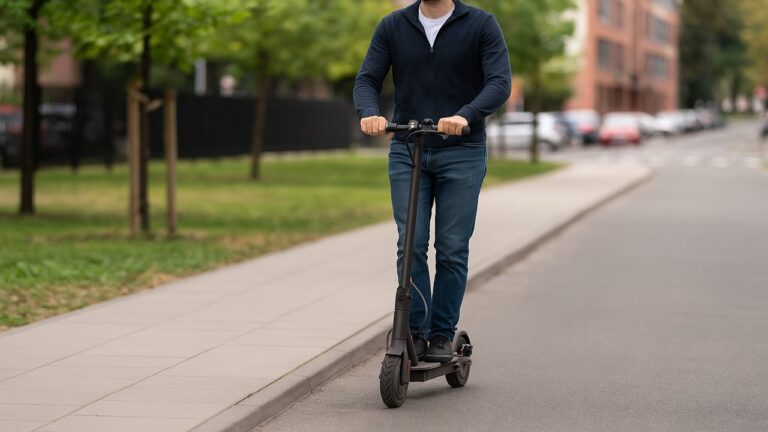
In most U.S. cities, it is not legal to ride an electric scooter on the sidewalk. Sidewalks are designed for pedestrians, and most local and state laws require e-scooter riders to use bike lanes...
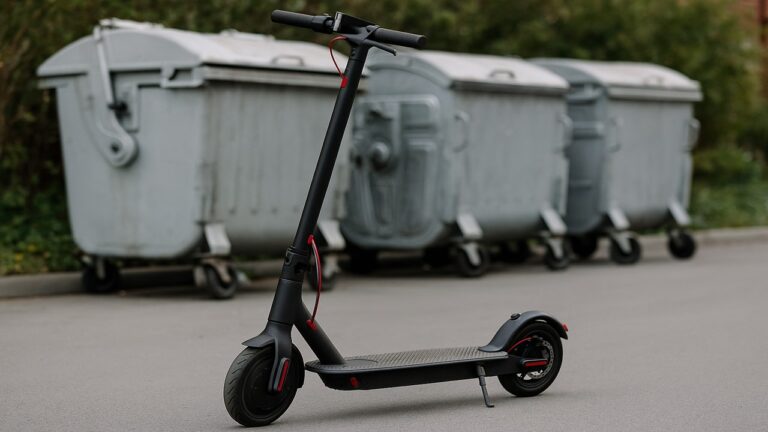
If your electric scooter has reached the end of its life, you can’t just throw it in the trash. The safe way to dispose of an electric scooter is to remove the lithium-ion battery, handle it as...
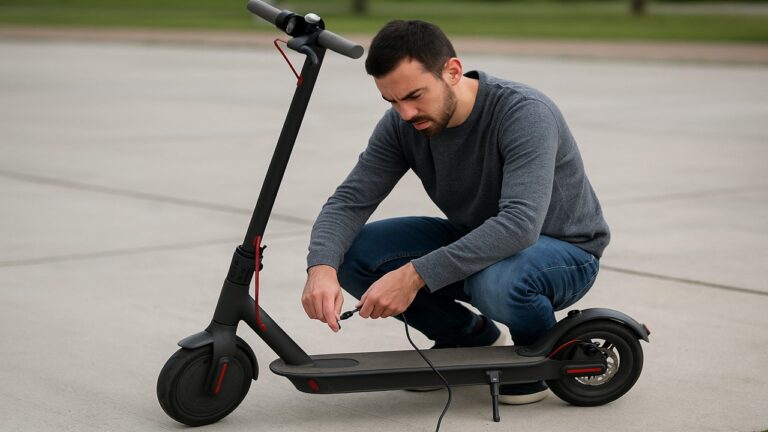
Your electric scooter isn’t charging because something is blocking the power flow—most often a faulty charger, loose connection, damaged port, or over-discharged battery. In most cases, the issue can...
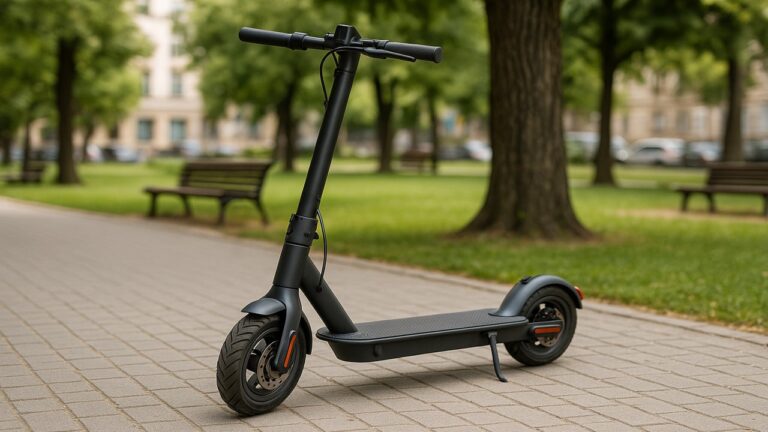
Most electric scooters weigh between 9 and 30 kilograms (20–65 pounds) depending on their design, materials, and purpose. Lightweight commuter models are easy to carry and store, while performance...
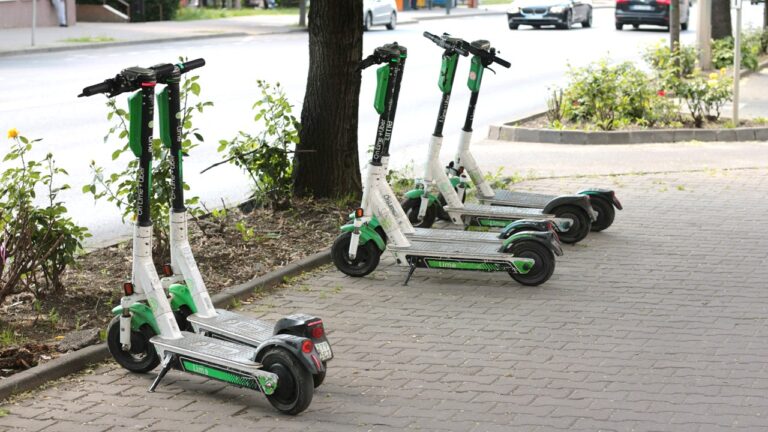
If you’re searching for the best electric scooter for heavy adults, this guide is for you. If you’re a heavier rider tired of scooters that slow down on hills or feel shaky on bumps, you’ll find the...

Most electric scooters can travel between 10 and 60 miles on a single charge, depending on the model, battery size, rider weight, and terrain. Entry-level scooters designed for city commutes typically...
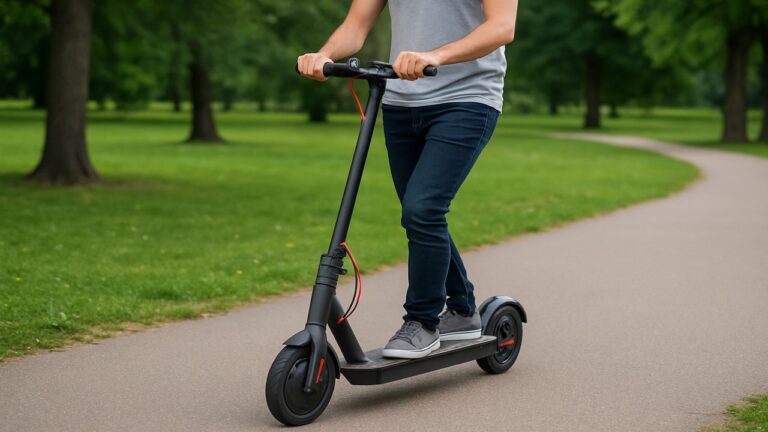
A fully charged electric scooter can last anywhere from 10 to 70 miles per charge, depending on the model, rider, and conditions. Most commuter scooters average 15 to 25 miles in real-world use, while...
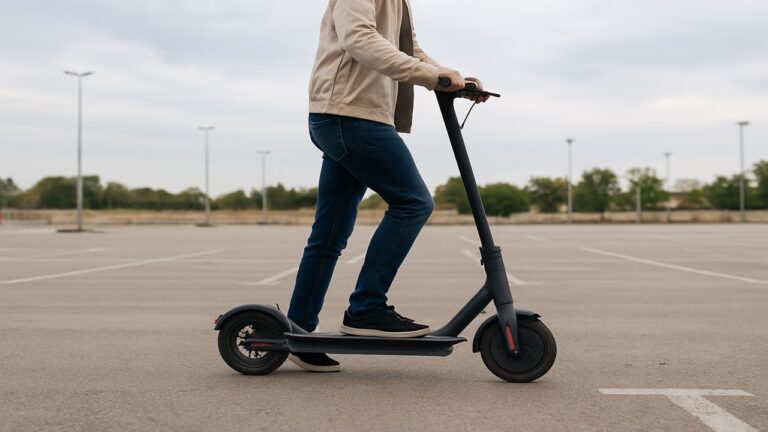
If you’re new to electric scooters, the first question is simple: how do you actually ride one? This guide explains everything step by step—from powering it on to staying safe on the road—so you can...
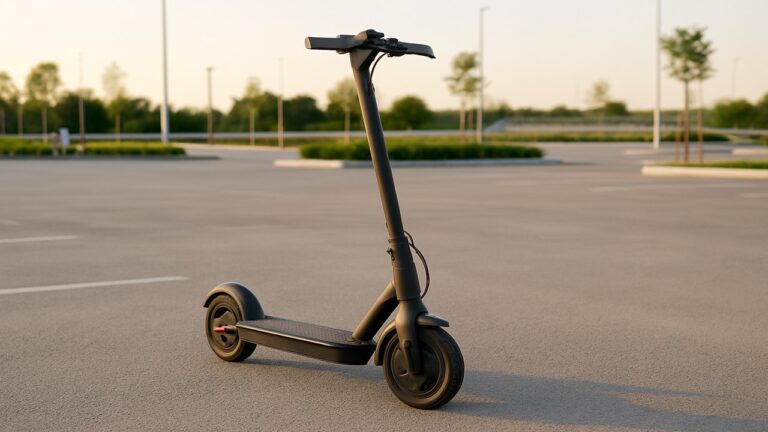
Riding an electric scooter for the first time can feel a little intimidating, but it’s actually simple once you understand the basics. With the right gear, a few safety checks, and step-by-step...